When the grid drops, your truck or car keeps the house running. We install Tesla Powershare and GM Energy vehicle-to-home systems today — and we're straight with you about which vehicles aren't there yet.
Check my vehicle → Get a quote
A typical EV holds 80–130 kWh — five to ten times what a stationary home battery holds. With the right hardware, that battery can keep your house running for days, not hours.
When the grid goes down, your EV powers your house. We install the transfer equipment and the panel work — you plug in and live normally.
You paid for the battery in your driveway. V2H lets it do double duty — backup power without buying a stationary battery, or alongside one for layered coverage.
Where Dominion's Off-Peak Plan is available at your address (smart meter required — you check eligibility in your own Dominion account, and we walk you through it), overnight charging runs about 13.4¢/kWh. Some co-ops go far lower. We quote your utility's real numbers, never a brochure's.
Verified July 2026 — this table follows the same monthly review as our homepage compatibility guide.
| Platform | Vehicles | Status with GreenKey |
|---|---|---|
| Tesla Powershare | Cybertruck — only, for now | Live — installed on customer homes |
| GM Energy V2H | Silverado EV, Blazer EV, Equinox EV & more Ultium models | Live — installed on customer homes |
| Kia EV9 | Whole-home backup via Wallbox Quasar 2 bidirectional charger | Supported today — ask us |
| Tesla Model 3 / Y / S / X | Powershare expansion promised by Tesla | Not yet — Cybertruck only |
| Hyundai Ioniq 9 / Kia EV6 | Via Quasar 2, expected 2026–27 | Rolling out |
| Brand-agnostic (Enphase bidirectional) | Any-EV V2H, volume production slated late 2026 | Tracking |
| Other manufacturers | Ford, Rivian, BMW & others — announcements in motion | Watching closely |
Driving something not on this list? Call anyway — rollouts move quickly, and a home battery can bridge the gap until your platform lands.
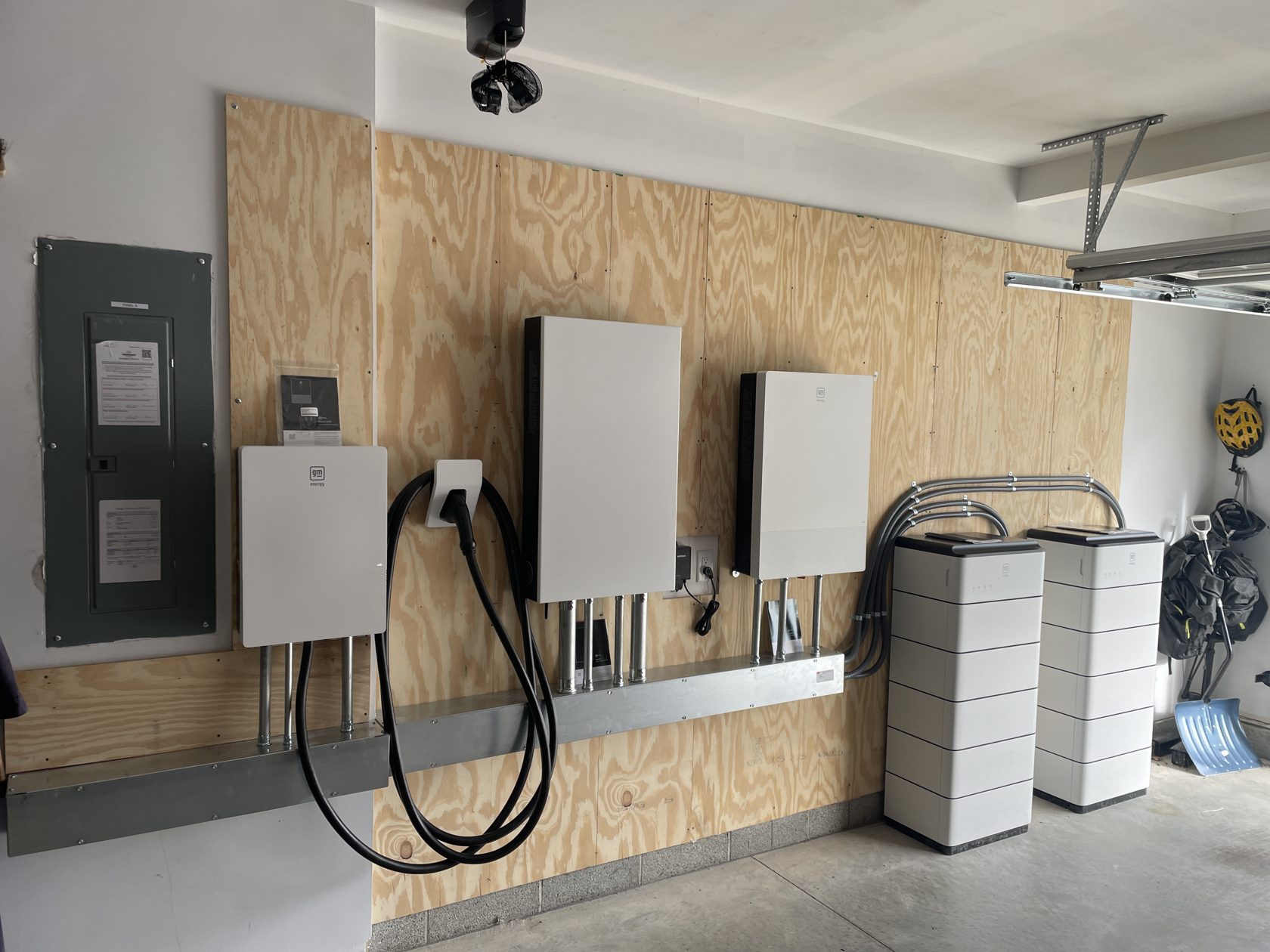
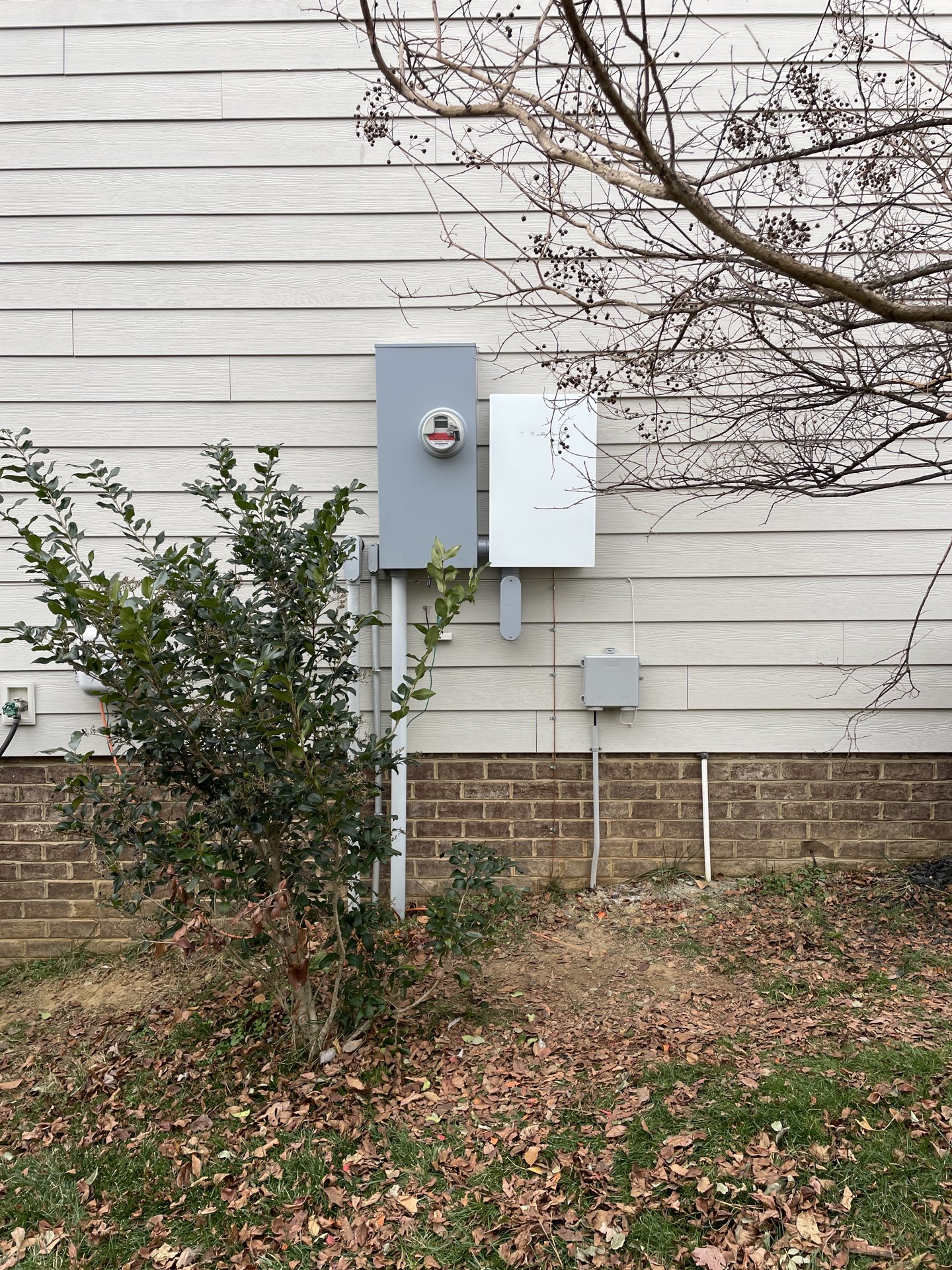
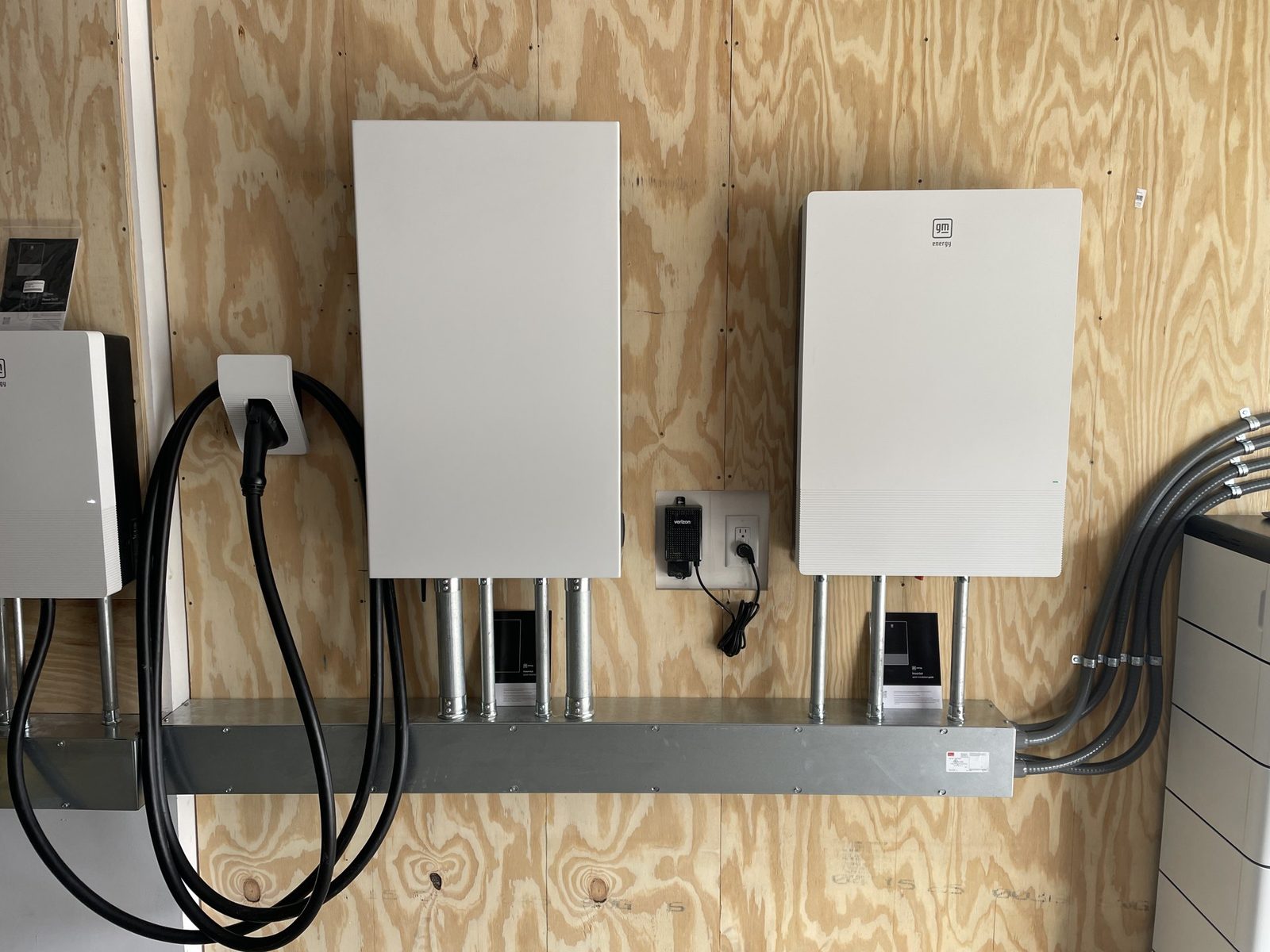
Tesla Powershare and GM Energy systems — designed, permitted, installed, and inspected by the same Class A electrician.
Three platforms work right now: Tesla Powershare (Cybertruck only, for now), GM Energy V2H (Silverado EV, Blazer EV, Equinox EV and more of the Ultium lineup), and the Kia EV9 via the Wallbox Quasar 2 bidirectional charger. We install the first two on Central Virginia homes today and can quote the EV9 setup.
Not yet. Powershare is Cybertruck-only today. Tesla has said it will expand — but we don't install promises. When it ships, this page will say so; we review it monthly.
No — and anyone who says otherwise is selling a story. Every carmaker's system is a walled garden today. A brand-agnostic option (Enphase's bidirectional charger) is slated for volume production late 2026; we're tracking it.
They do different jobs. A stationary battery covers the house automatically every time — even when the vehicle is away or low. Your EV brings far more total energy for the long outages. Many homes start with one and add the other; we'll show you which order makes sense for yours.
Transfer equipment, the manufacturer's home hardware, and panel work — sized to your service and your vehicle. Most installs are one to two days on site, plus permitting and inspection, which we handle. For Powershare, Tesla publishes typical costs: hardware around $1,950 and installation typically $2,000–$4,000 depending on your home's configuration — and if you already have a Powerwall and Wall Connector, no additional equipment is needed at all. Either way, you'll get the exact, no-fee price before any work starts.
Let's get it doing more for you. Tell us your vehicle, year, and model — a real person, usually Jonathan, will come back within one business day with whether your platform is ready, what equipment you'd need, and a real quote.